
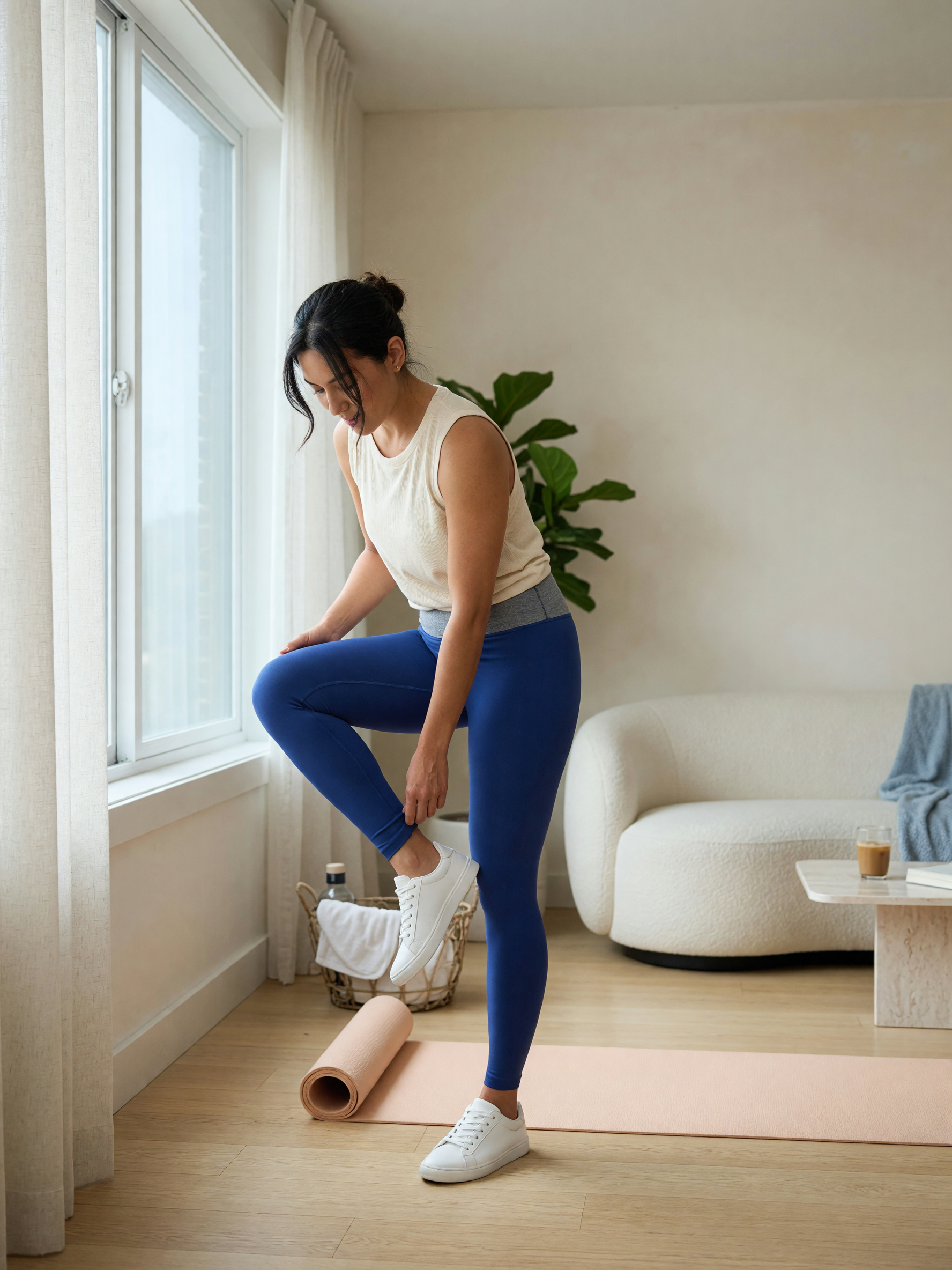
Choosing leggings that actually work for your body and routine is simpler than most shoppers expect. Focus on fabric weight, stretch recovery, opacity and activity match, then confirm fit with a few quick checks. This practical walkthrough covers how to choose the right leggings so you spend less time returning pairs and more time wearing them.
Match leggings to your main activity first
Start with how you will actually use the pair. Yoga leggings and low impact styles need a soft hand feel and light compression so you can move freely on the mat. Running, HIIT or strength sessions call for moisture wicking fabric, medium compression and secure construction that stays put. Casual or athleisure days favor breathability and all day comfort over heavy support.
Women's leggings now span inclusive size ranges and hybrid designs that move from studio to errands. Decide your primary use, then filter for the specs that support it. Soft nylon blends suit lounging and yoga. Polyester heavy mixes excel when you sweat. If you want one pair that covers most days, aim for versatile medium weight options with decent recovery.
Guide to legging fabrics: GSM, spandex and stretch that last
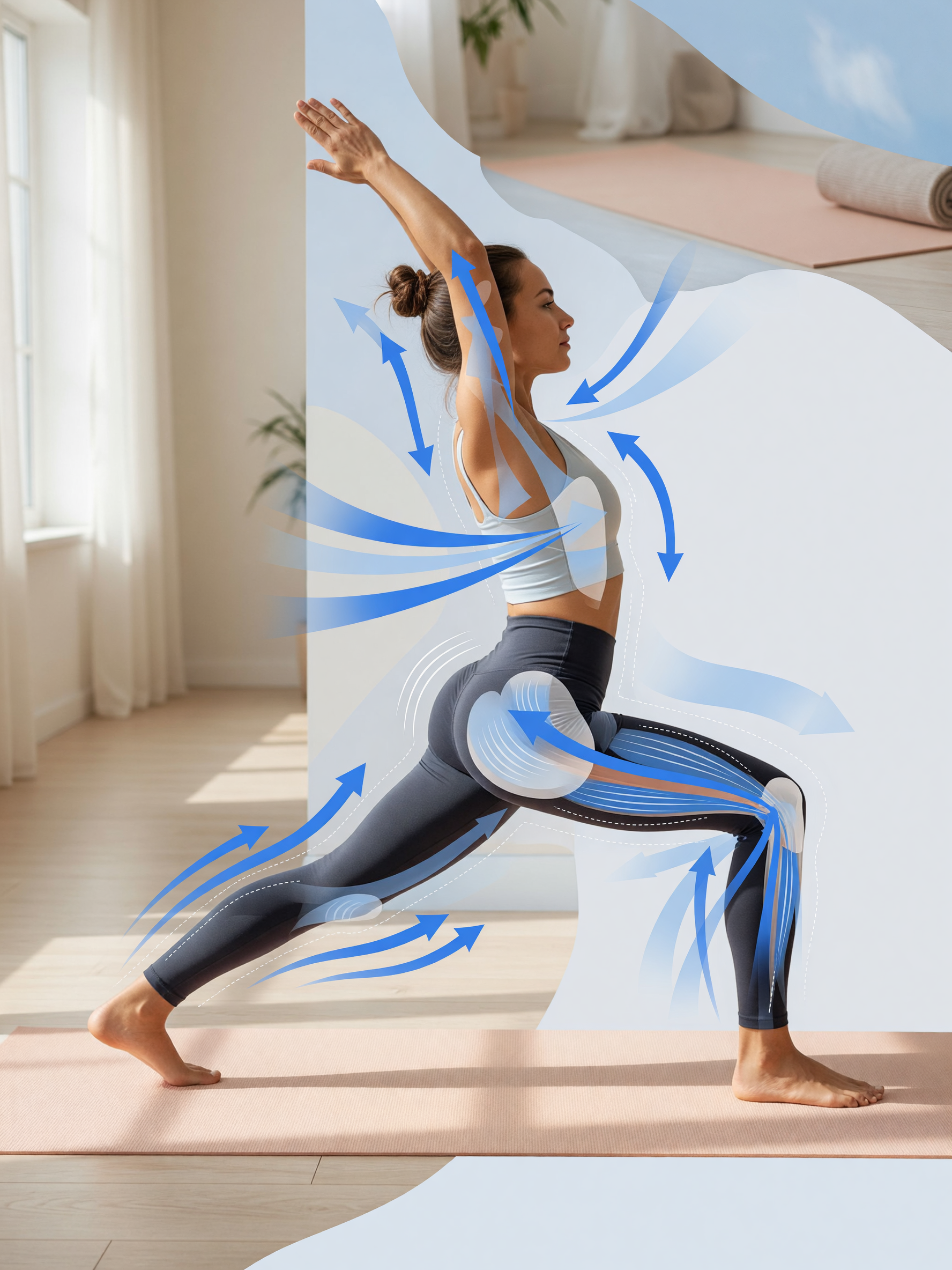
Fabric decides nearly everything about how leggings feel and perform. Most pairs use knit jersey or interlock with elastane (also called spandex) for stretch. Look at three numbers: fabric weight in GSM, spandex percentage, and recovery after stretch.
Aim for at least 230 GSM in dark colors so the fabric stays opaque. Medium shades need 240 to 260 GSM. Light or pastel colors perform best at 260 GSM and above. Lightweight fabrics (160 to 200 GSM) work for hot yoga but risk sheerness. Medium weight (210 to 240 GSM) balances mobility and coverage. Heavier cloth (250 to 280 plus GSM) adds compression and durability.
Spandex content shapes support. Fifteen to 18 percent gives light compression and comfort. Eighteen to 23 percent lands in the medium range most people prefer for training. Twenty four to 28 percent or higher delivers firmer hold. Nylon and spandex blends (often around 80/20) feel buttery and recover well. Polyester and spandex mixes (85 to 90 percent poly) wick sweat fast and dry in a couple of hours. Premium elastane such as Lycra or Creora usually outlasts generic versions.
Four way stretch is non negotiable. The fabric should expand 60 to 80 percent vertically and 50 to 70 percent horizontally without feeling weak. A simple home check: stretch a 10 cm section to 16 to 18 cm. For recovery, pull a sample to 150 percent, hold thirty seconds, and watch it return. Good fabric comes back within 5 to 10 percent of original length, ideally under 5 percent. Poor recovery shows up as bagging at the knees and seat after a few wears.
Matte finishes hide texture better than shiny ones and dominate most preferences. Brushed or peached surfaces feel softer against skin. Recycled polyester appears often in current blends and holds up when the knit is dense enough.
How to choose squat proof leggings and keep them opaque
Opacity fails when fabric is too light, too loosely knit, or stretched beyond its limit. Color matters too: darker shades hide more, yet even black pairs can turn sheer if the GSM is low. Never assume a color is safe. Always run the squat test in strong light, including a phone flash from behind or below.
Stand in front of a mirror, drop into a deep squat or lunge, and check the seat, thighs and crotch for see through spots or visible underwear lines. Do the same after washing once, because some fabrics thin out. Higher GSM and tighter knits resist this. Medium to heavy compression also helps by limiting how far the cloth stretches over curves.
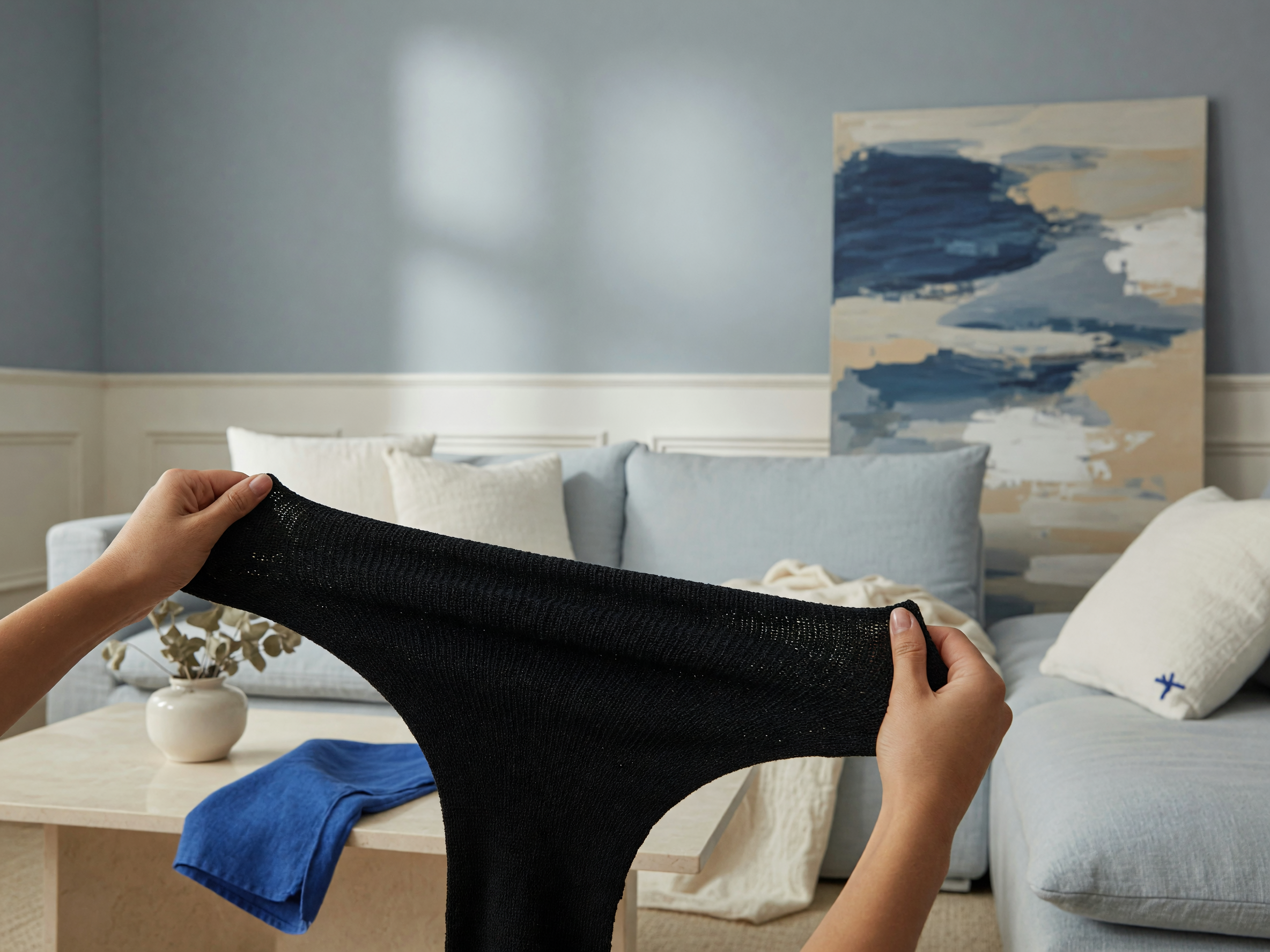
If you shop online, read recent reviews that mention squats or flash photos. In store, try the test before you buy. Opaque leggings how to choose comes down to weight, knit and real movement checks rather than marketing claims.
Leggings fit guide: how to measure for leggings and how to choose the right size leggings
Fit starts with accurate measurements and honest comparison to each brand chart. Use a soft tape. Measure your waist at the narrowest point, hips at the fullest, and inseam from crotch to desired hem while barefoot. Note your height as well, because length options vary widely.
Negative ease means the leggings measure smaller than your body so they stay smooth. Size charts account for this, yet brands differ. If you sit between sizes, consider whether you want more compression (size down) or easier on off (size up). High waisted styles should hit at or above the navel and stay put when you bend. The waistband needs enough grip without digging.
A solid leggings fit guide also covers rise, leg shape and seam placement. Flat or bonded seams reduce chafing. Gussets at the crotch improve mobility. Try sitting, lunging and reaching overhead in the fitting room or right after delivery. Fabric should snap back rather than pool at the knees.
For how to measure for leggings on plus or petite frames, prioritize brands that publish multiple inseam lengths and extended size runs. Supportive knits with higher GSM maintain opacity across a wider range of body shapes.
How to pick high waisted leggings and the case for pockets
High waisted leggings offer tummy coverage, stay in place during movement, and create a smooth line under tops. Look for a wide, structured waistband that does not roll. Compression through the midsection feels secure for many people, yet it should still allow full breaths. Test by twisting and folding forward.
Leggings with pockets solve the phone and key problem. Side pockets deep enough for a modern phone rank highest for workouts and errands. Some designs add a small inner waistband pocket for cards. Check that the pocket fabric matches the main body so it does not create bulk or sag.
One reliable everyday option with both features is this thick, high waist pair that includes practical side pockets and solid tummy control for running or studio sessions.
When hunting the best leggings with pockets, confirm the pockets sit high enough that contents do not bounce and that the opening stays closed during squats. How to pick high waisted leggings is mostly about waistband width, rise height and whether the compression level matches your preference for soft hug versus firm hold.
How to choose leggings for workout and what makes the best workout leggings
Workout demands change the checklist. Moisture management comes first: polyester blends move sweat to the surface and dry quickly. Medium compression (roughly 20 to 24 percent spandex) supports muscles without restricting range. Seams should lie flat. Reflective details help for outdoor runs, though they are optional.
The best workout leggings also survive repeated wash cycles without losing shape. Look for strong recovery numbers and reinforced stress points. Secure pockets become more useful when you carry a phone or gel. If you mix lifting and cardio, choose a versatile compressive style that still feels mobile.
A strong budget friendly contender for training days pairs high waist construction with inner pockets and solid stretch for yoga or gym work.
How to choose leggings for workout ultimately favors wicking fabric, tested opacity under load, and a waistband that ignores gravity. Skip pure cotton for sweaty sessions; it holds moisture and sags.
Best leggings for yoga and softer everyday options
Yoga and Pilates reward buttery hand feel and unrestricted stretch more than heavy compression. Lighter to medium GSM nylon blends with 18 to 20 percent elastane deliver that second skin sensation. You still want enough density to stay opaque in wide legged poses.
Many people keep a softer pair for lounging and gentle practice, then switch to more structured fabric for harder efforts. Breathability matters in heated rooms. If you want one pair that feels luxurious yet holds up, prioritize recovery so the knees do not bag after seated postures.
For a soft high waisted option that works for running, yoga or daily wear, consider this buttery athletic style with tummy control.
Best leggings for yoga balance give and coverage. Try a deep forward fold and a wide squat in good light before deciding.
Leggings length guide and finishing details that matter
Length changes both look and function. Full length hits at the ankle and suits cooler studios or street wear. Seven eighths or crop styles clear the ankle bone and stay out of shoes during runs. Petite and tall inseams exist; measure your preferred break point while wearing the shoes you plan to pair.
A quick leggings length guide: shorter inseams feel lighter in summer and show off shoes. Longer ones offer more coverage and warmth. Check that the hem does not ride up when you walk. Some styles include stirrups or grip prints, useful for barre yet optional for most people.
Color and finish round out the decision. Matte black remains the most forgiving. Brushed interiors raise comfort for cooler weather. If pilling worries you, keep reading.
How to choose leggings that don't pill and how to care for them
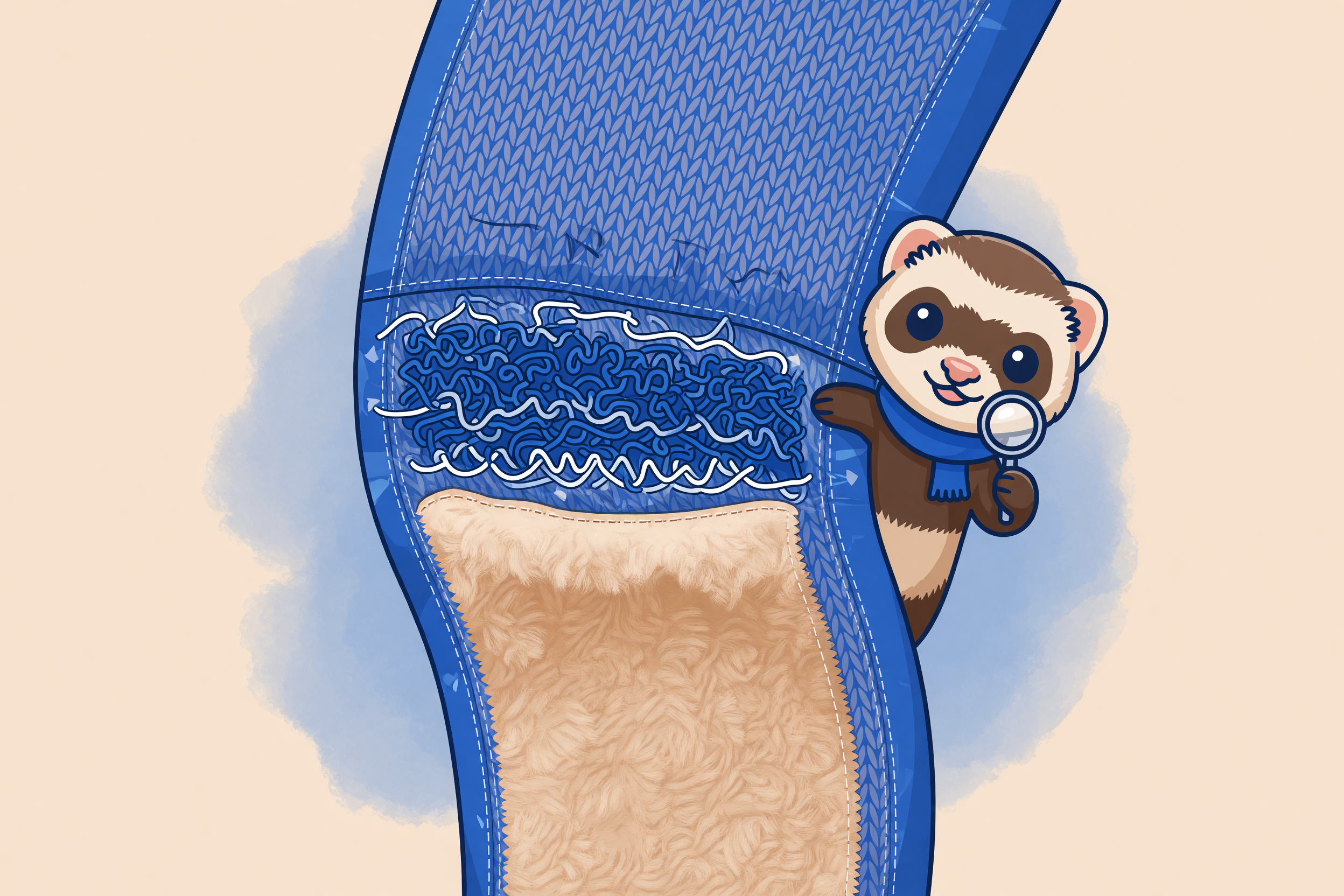
Pilling happens when short fibers rub loose and form balls, especially at the inner thighs or under bags. Denser knits and quality elastane resist it better. Target fabrics that score well on standard abrasion tests when the information is available. Avoid fabric softener; it coats fibers and weakens recovery. Wash cold, inside out, on gentle. Air dry or use low heat. High heat destroys spandex over time and leads to bagging.
How to choose leggings that don't pill starts with higher GSM and proven blends, then continues with gentle care. Rotate pairs so no single pair takes daily friction. If you notice early pills, a fabric shaver can tidy them, yet prevention beats repair.
Budget pairs can still last when the knit is solid. Price alone does not predict durability, so lean on recent user photos and wash test mentions.
The bottom line
Prioritize fabric weight at or above 230 GSM for opacity, 15 to 28 percent quality spandex matched to your compression needs, true four way stretch with strong recovery, and a fit confirmed by measurement plus movement tests. Match those specs to yoga, high intensity training or casual wear, then verify squat proof coverage and pocket usefulness if they matter to you. High waisted designs and thoughtful lengths finish the shortlist. Care for the elastane and the pairs will keep their shape far longer.
When you are ready to compare specific pairs that meet these standards, see our full ranked list of the best leggings for women at /leggings.
Sources
Research for this article drew on the following sources.
We compared the whole category and ranked the ten best. Prices and picks refresh weekly.