

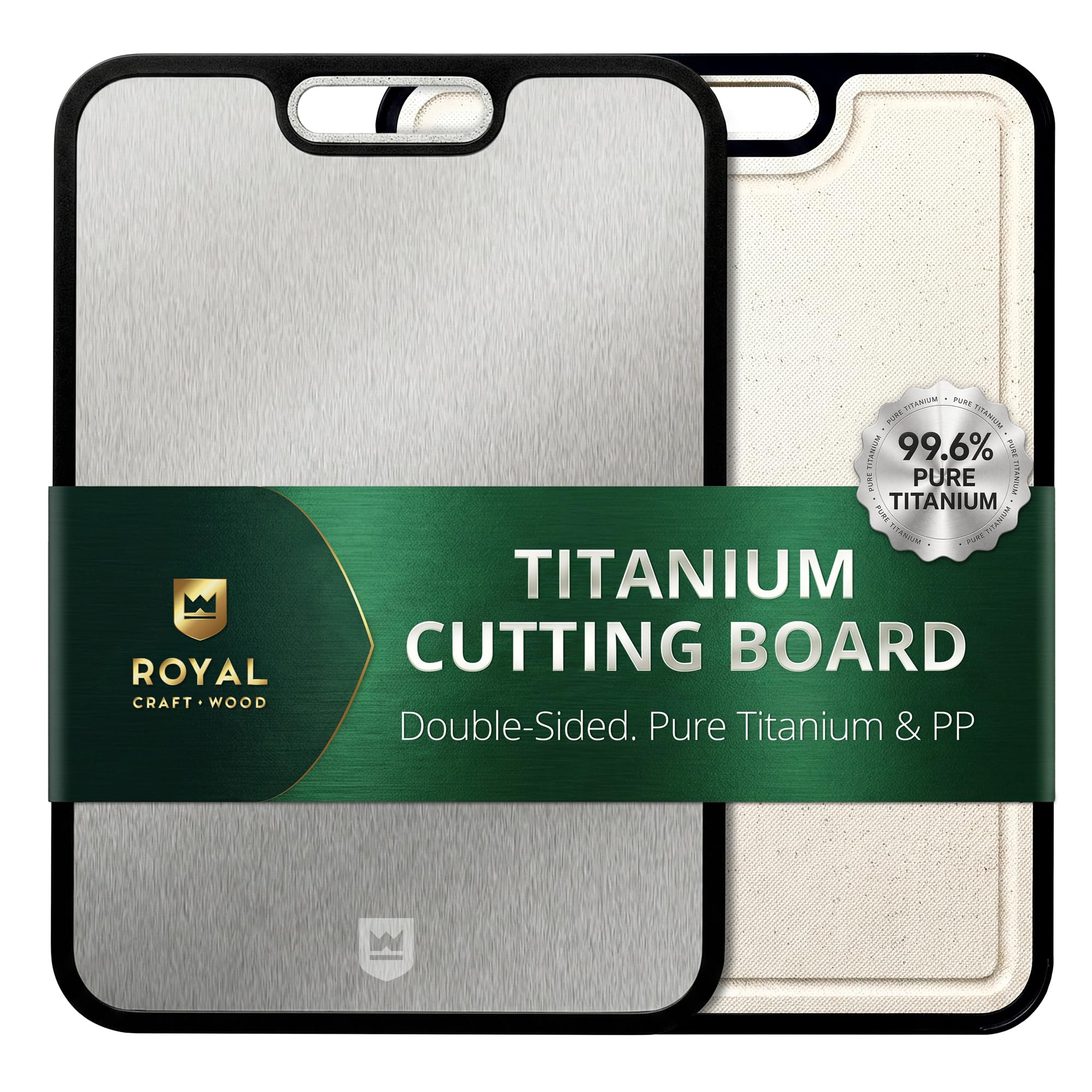
- Bamboo cutting board
- Juice groove edge
- For meat, cheese and vegetables
- Heavy duty serving tray
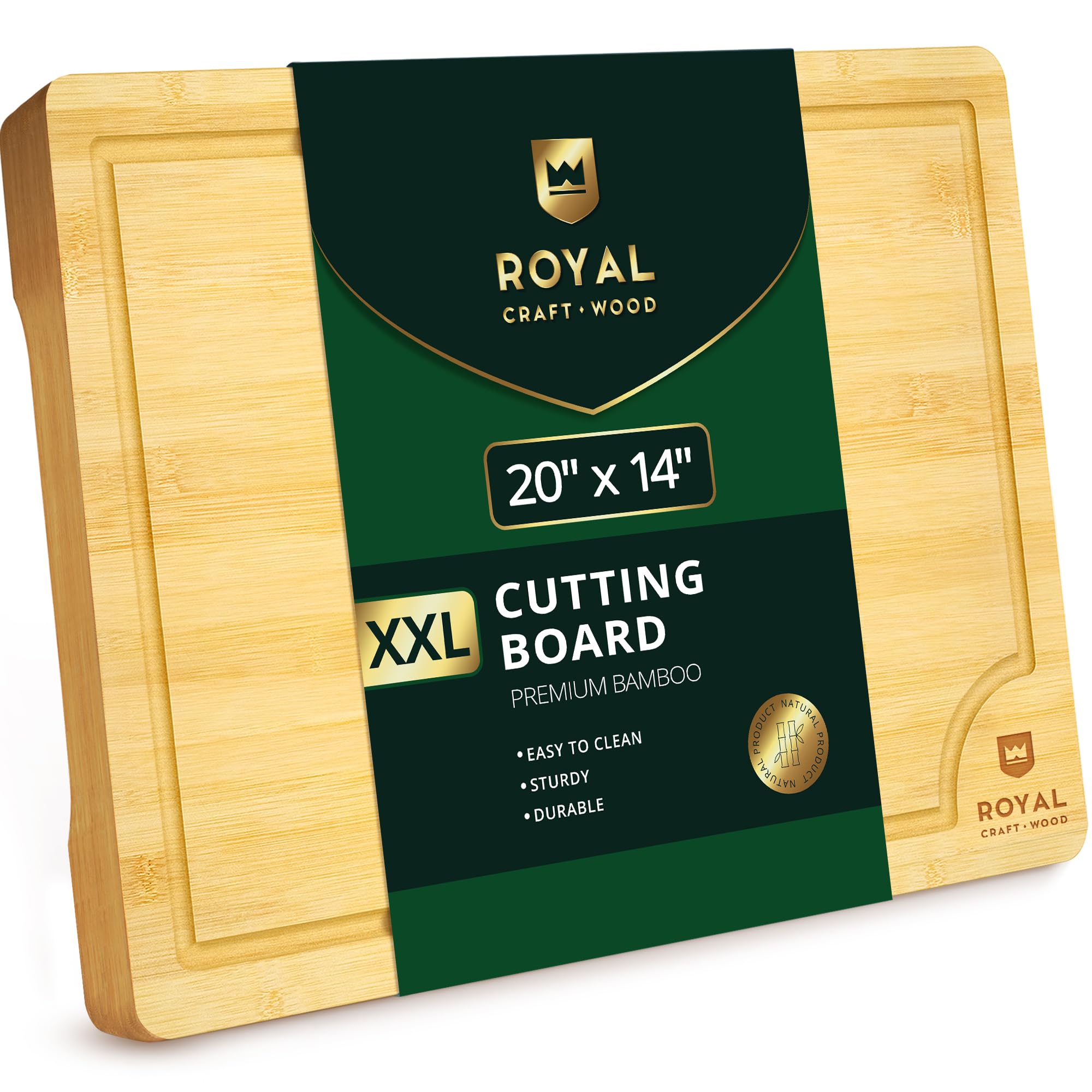
- Bamboo cutting board
- Juice groove edge
- Serving tray

View on AmazonThis list covers cutting boards for everyday prep, serving, and wood board care, from lightweight bamboo options to heavier maple and cherry butcher blocks.


We compared every cutting board in this category on rating, verified review volume, and price, then kept only the 10 that earned a place. Each pick below links straight to Amazon for the live price.
We start from the full catalogue, keep only products with at least 500 verified reviews, then rank by review volume weighted with the ReviewFerret score (the star rating doubled onto our 10-point scale). No brand appears more than twice, and nobody can pay for a place. Full methodology →


View on Amazon

View on Amazon

View on Amazon
View on Amazon
View on Amazon
View on Amazon

View on Amazon
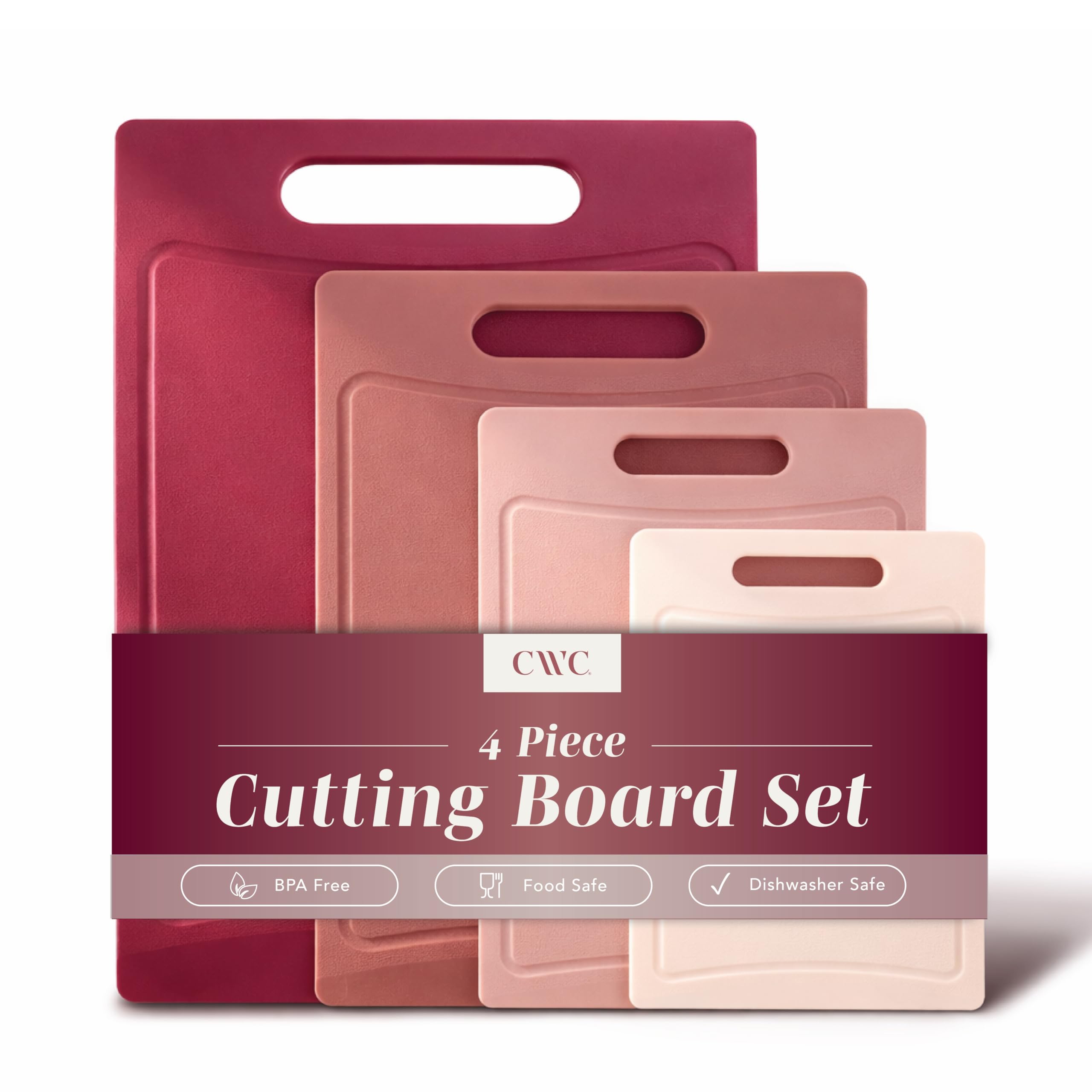
View on Amazon

View on Amazon
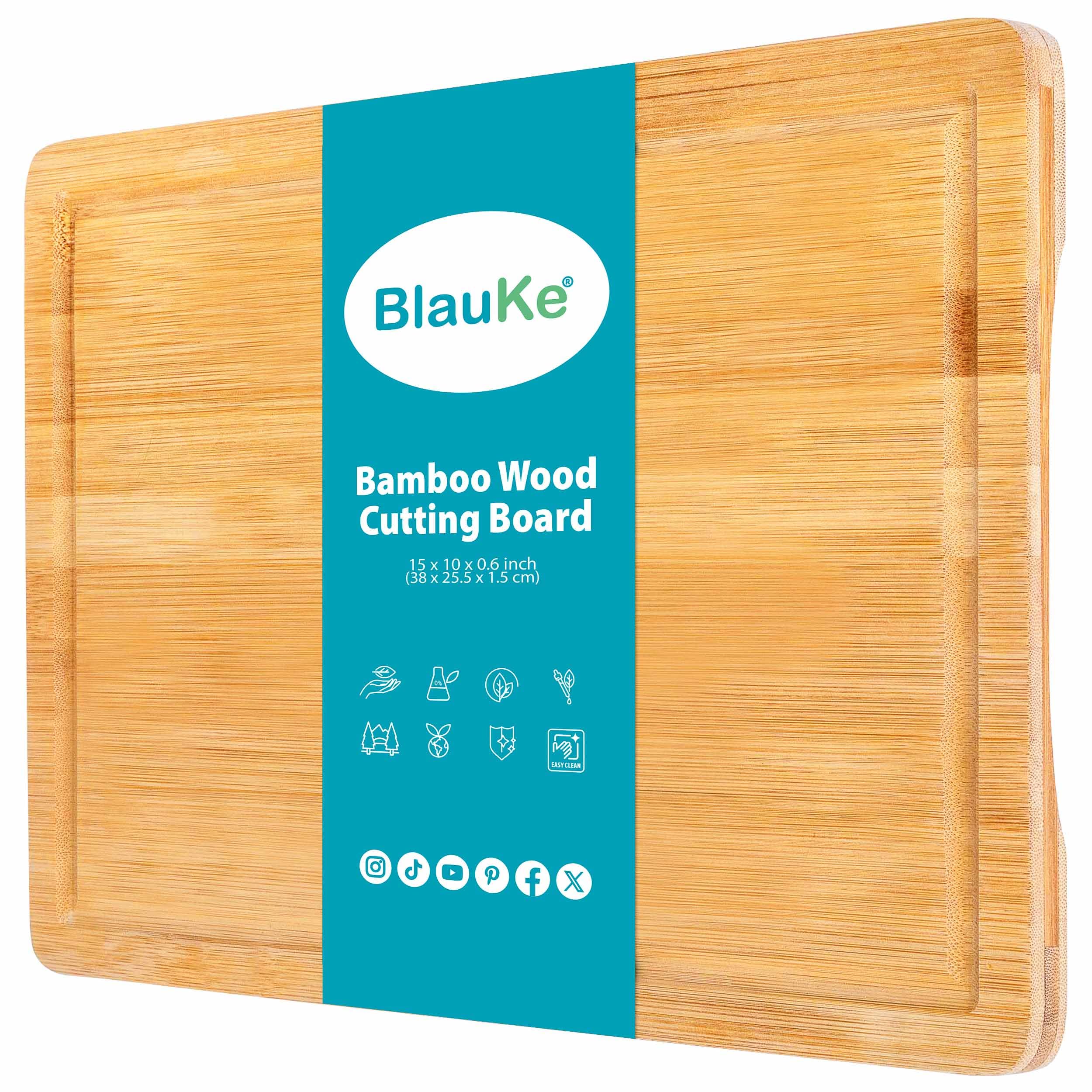
View on Amazon
Join 50,000+ smart shoppers getting our weekly picks.
What actually matters when you're comparing cutting boards, in plain English.
Material is the first decision because it affects knife feel, weight, upkeep, and appearance. Bamboo and acacia are common for shoppers who want a lighter board for chopping and serving, while maple and cherry butcher blocks suit people who want a more substantial prep surface. End grain boards are kinder to knives but usually cost more and need more care. If you want low maintenance, simple edge grain or bamboo is easier to live with.
A board that is too small becomes frustrating fast, especially for vegetables, bread, or meat prep. Larger boards give you room to work and help keep ingredients contained, while thicker boards feel more stable and are less likely to slide or warp. Weight matters too, since a heavy board can stay put but be awkward to lift and clean. If you have a compact kitchen or limited storage, a thinner board or set may be the better fit.
Not every cutting board needs to do everything. A reversible butcher block is useful if you want one side for prep and the other for serving. Juice grooves help with tomatoes, fruit, and carved meat, while handles make boards easier to carry from counter to table. A set of smaller boards can help separate meat, veg, and fruit, which is useful for busy kitchens. If you mostly slice bread or cheese, a decorative serving board may be enough.
Cheaper boards are often lighter, thinner, and easier to replace, but they may show knife marks sooner or feel less secure on the counter. More expensive wooden boards usually bring better thickness, weight, and longevity, but they expect regular oiling and careful washing. Mineral oil or board conditioner helps prevent drying and cracking, especially on hardwood boards. If you do not want routine maintenance, choose a simpler board and accept a shorter service life.
The biggest regret is buying by looks alone and ending up with a board that moves around, is too small, or is hard to store. Another common mistake is using the same board for everything without thinking about sanitation or flavour transfer. Wood boards should not be left soaking or run through careless cleaning routines, since that can cause warping and splitting. Check whether you need a serving board, a prep board, or both before choosing.
Products qualify on verified review volume, then rank by that volume weighted with the ReviewFerret score, the star rating doubled onto our 10-point scale. No brand appears more than twice, prices refresh weekly, and no manufacturer can pay for placement. Read our full methodology →